4 Emerging Trends Air Filtration Solutions for Data Centers

Air Filtration Solutions for Data Centers In today’s rapidly evolving digital era, data center air filtration is the backbone of businesses, governments, and industries globally. From powering cloud computing platforms to supporting AI-driven workloads and mission-critical systems, data centers are at the heart of digital transformation. As the demand for digital infrastructure grows, air quality management and operational efficiency have become top priorities. This is where MayAir’s air filtration solutions for data centers play a pivotal role, helping organizations enhance performance, safeguard sensitive equipment, and align with sustainability goals. What Are Data Centers? Data centers are highly specialized facilities that house computing equipment, storage systems and networking devices. They serve as the central hub for IT operations, enabling businesses to run digital applications, store sensitive data securely and manage essential business functions like finance, HR, and operations. With the rise of cloud services and big data analytics, more companies are moving towards third-party colocation data centers to achieve scalability, reduce operational costs, and improve disaster recovery capabilities. Why Data Centers Matter in the Digital Age ✅ Operational Efficiency Data centers centralize IT resources, making it easier to manage performance, enhance security, and ensure business continuity. Advanced cooling systems, backup power supplies, and disaster recovery protocols minimize downtime and protect valuable assets. ✅ Digital Transformation Enabler From AI and IoT to blockchain and 5G, data centers provide the infrastructure to support emerging technologies that drive innovation and growth. Without robust data centers, modern digital transformation would stall. ✅ Business Resilience Data centers offer robust security features, scalability, and flexibility to adapt to fast-changing digital environments. Organizations depend on data centers to safeguard sensitive information and maintain uninterrupted services. Key Challenges Facing Data Centers Despite their critical role, data centers face significant operational challenges: 1. Energy Consumption Data centers require substantial amounts of electricity. Some regions are halting new constructions due to energy shortages and environmental concerns. 2. Aging Infrastructure Older facilities often struggle to meet modern power and cooling requirements, causing inefficiencies and limiting future growth. 3. Supply Chain Disruptions Component shortages and rising costs delay upgrades, making it harder for operators to maintain state-of-the-art facilities. 4. Sustainability Pressures With the global shift towards net-zero emissions, data centers must adopt greener technologies without compromising reliability. Emerging Trends in the Data Center Industry Sustainability as a Strategic Priority Today, sustainability is more than compliance, it’s a competitive advantage. Operators are integrating renewable energy and energy storage solutions to reduce their carbon footprint. AI-Driven Optimization AI technologies are optimizing cooling systems, predicting maintenance needs, and improving energy efficiency through real-time monitoring. Expansion of Edge Computing As industries seek ultra-low latency solutions, edge computing is driving demand for smaller, decentralized data centers closer to end-users. Advanced Cooling Innovations Liquid and hybrid cooling systems are being adopted to boost thermal performance while minimizing energy use and environmental impact. How MayAir Supports the Data Center Industry At MayAir, we understand the unique challenges faced by data center operators. Our air filtration solutions for data centers are designed to protect your investments, reduce operational risks, and improve sustainability outcomes. Advanced Air Filtration Systems Our high-efficiency data center air filteration safeguards sensitive IT equipment by capturing airborne contaminants such as dust, particulate matter, and micro-pollutants, ensuring optimal system performance and longevity Customized Ventilation Solutions We design tailored ventilation systems that optimize airflow while reducing energy consumption, helping facilities operate efficiently in even the most demanding environments. Sustainable Practices Our solutions align with your sustainability objectives by enhancing energy efficiency and supporting environmental certifications through superior air management systems. Expert Consultation Services Whether you’re constructing a new data center or upgrading an existing facility, our technical team provides expert guidance, from system design to installation and ongoing maintenance. Whether you’re planning a new facility or optimizing your current infrastructure, MayAir is ready to support your journey towards efficient, reliable, and sustainable data center operations. Let’s build the future of digital infrastructure together. Ready to upgrade your Data Center operations? Contact us today! Contact Now
Best 5 Semiconductor Air Pollution Control Solutions to Cut Emissions by 38%
Best 5 Semiconductor Air Pollution Control Solutions to Cut Emissions by 38% Semiconductor air pollution control has become a top priority as manufacturers aim to reduce emissions and ensure cleanroom safety . As the semiconductor industry experiences rapid growth, the focus on mitigating air pollution emissions has become increasingly paramount. This shift is driven not only by environmental compliance but also by a growing public concern for health and quality of life, alongside the industry’s commitment to green manufacturing for corporate sustainability In response to these challenges, maximizing the efficiency of pollution control equipment has become essential. It requires careful consideration of factors such as available resources, space limitations, and advancements in treatment technologies. The goal is to strike a balance between reducing air pollution emissions and operating within these constraints, allowing the semiconductor industry to minimize its environmental footprint while maintaining efficient operations. Why Semiconductor Air Pollution Control Matters Semiconductor fabrication involves intensive chemical processing, gas reactions, and heat—all of which contribute to air pollution. Common emissions include: Volatile Organic Compounds (VOCs) Acidic gases (e.g., HF, HCl) Particulate Matter (PM2.5, PM10) Ozone and toxic byproducts Uncontrolled emissions from semiconductor facilities can lead to indoor air contamination, regulatory violations, health risks to workers, and environmental degradation. Cleanroom operations require strict semiconductor air pollution control systems to prevent contamination that could damage wafers and compromise yield. Complete Semiconductor Air Pollution Control MayAir delivers a comprehensive suite of solutions to meet the semiconductor industry’s most demanding clean air challenges. 1. ISO-Class Particle Control Our multi-layer filtration systems capture even the smallest particles at the ISO Class 1 level. ISO 14644-compliant FFUs capture 0.1 µm particles and integrate AMC cartridges to scrub HF, HCl, NH₃, and VOCs below sub-ppb thresholds. 2. Sub-ppb Chemical Filtration With gas-phase filtration technologies, we remove gaseous contaminants such as hydrogen fluoride, sulfur dioxide, and ammonia to sub-parts-per-billion (ppb) levels, meeting or exceeding industry standards. 3. Custom Ventilation Engineering Our air-handling units (AHUs) are tailored to semiconductor facility layouts, balancing airflow, temperature, and humidity with compact designs that conserve energy and space. 4. Real-Time Emission Monitoring Smart monitoring systems track airborne pollutants and filter efficiency continuously. Our IoT-based dashboards alert your team before pollution thresholds are exceeded, ensuring regulatory compliance and proactive maintenance. 5. Carbon Profiling & Waste Optimization Through carbon profiling tools, we help you map emission hotspots and suggest targeted control strategies to reduce your overall carbon footprint while optimizing operating costs. Maximizing pollution-control efficiency allows semiconductor fabs to keep pace with soaring chip demand while cutting inorganic-acid emissions per wafer by 38% and meeting ISO Class 1 particle limits with advanced filter technologies. MayAir’s Role in Green Manufacturing MayAir provides a complete set of air filtration tools to tackle both particles and chemicals in cleanrooms. Their filters can capture even the tiniest dust particles (meeting ISO Class 1 standards) and reduce chemical contamination to extremely low levels (sub-ppb). At MayAir, we are proud to lead the way in providing advanced technology solutions for air filtration systems, ensuring that semiconductor manufacturers can meet their production needs while minimizing their environmental footprint. Our experts work tirelessly to design and implement customized solutions that address the unique challenges faced by semiconductor manufacturers, including maximizing efficiency, minimizing waste, and meeting stringent environmental regulations. Through our innovative approach and commitment to excellence, MayAir has become a trusted partner for semiconductor manufacturers seeking to reduce their impact on the environment without compromising on productivity. Together, we can make semiconductor innovation safer, cleaner, and more sustainable, one wafer at a time. By coupling high-efficiency air-pollution control equipment for semiconductor manufacturing with intelligent filtration and EC-driven airflow, fabs can comply with stricter acid/VOC limits, shrink carbon intensity, and uphold community health without sacrificing yield or productivity. MayAir’s ISO-Class-1 solutions and 24/7 support make it the trusted path to a cleaner, greener wafer future. Ready to upgrade your semiconductor manufacturing? Contact us today! Contact Now
Top 5 Restaurant Air Pollution Solutions in 2025 for a Greener Future

Top 5 Restaurant Air Pollution Solutions in 2025 At MayAir, we specialize in advanced air filtration and ventilation technologies that help restaurants reduce emissions and create cleaner, safer dining environments. In this guide, we highlight five proven solutions that restaurants can implement today to reduce indoor air pollution and meet the growing demand for eco-conscious operations. Is your restaurant struggling with indoor air quality or rising scrutiny over sustainability? You’re not alone. Across the globe, consumers are increasingly aware of how their dining choices impact the environment and their health. As a result, adopting effective restaurant air pollution solutions has become essential—not just for regulatory compliance, but also for operational efficiency, customer satisfaction, and long-term brand loyalty. Why Clean Air Should Be a Priority for Restaurants 1. ENERGY-EFFICIENT APPLIANCESUpgrading to ENERGY STAR-rated equipment cuts energy use by 10–50%. Pairing these with MayAir air filtration systems ensures optimal airflow and pollutant capture 2. HIGH-EFFICIENCY VENTILATION SYSTEMSRemove smoke, grease, and airborne particles with smart ventilation. MayAir’s ventilation solutions control VOCs and PM2.5, helping kitchens stay within safety thresholds. 3. CARBON PROFILING AND WASTE MANAGEMENTTrack your restaurant’s emissions and optimize waste handling. Composting and recycling reduce methane emissions—plus, MayAir solutions maintain clean air throughout. 4. SUSTAINABLE SOURCINGLocally sourced ingredients reduce transport emissions. Boost your sustainability profile further with MayAir’s kitchen filters, engineered to support high-volume cooking with clean indoor air. 5. ECO-FRIENDLY PACKAGINGSwitch to biodegradable containers and lower your carbon footprint. Our filtration systems prevent indoor air degradation even with high packaging turnover. Benefits of Sustainable Air Practices ✅ Cost Savings from lower energy and waste bills ✅ Stronger Brand Loyalty among eco-conscious customers ✅ Compliance with environmental standards and health codes ✅ Cleaner, Safer Kitchens for staff and diners alike 5 Proven Solutions to Reduce Restaurant Air Pollution Odors are more than just unpleasant—they shape customer perception. A 2024 AIRAH study shows that kitchens with well-maintained exhaust systems experience a 78% reduction in odors, leading to significantly better guest reviews and return visits. A devastating restaurant fire in Malaysia was linked to grease accumulation in the kitchen exhaust duct—a tragic example of why routine cleaning and quality system design are crucial. Today’s kitchen exhaust systems aren’t just about air purification—they’re intelligent systems that adapt to kitchen activity. By integrating HRVs (Heat Recovery Ventilators), restaurants can reuse waste heat to reduce HVAC loads by up to 25%. Sensors measuring CO₂ and particulates automatically adjust fan speeds, trimming fan energy use by 40% during slow hours. MayAir’s Commercial Kitchen Exhaust MayAir delivers kitchen exhaust systems that seamlessly combine advanced air purification technologies with energy-efficient performance to meet the high demands of commercial kitchens. Engineered to capture grease, smoke, VOCs, and airborne particles, our systems not only improve indoor air quality but also enhance fire safety and reduce operational costs. With smart controls and modular filtration units, MayAir offers tailored solutions for chain restaurants, hotels and high-traffic food service environments, helping businesses stay compliant, sustainable and profitable. Odors are more than just unpleasant—they shape customer perception. A 2024 AIRAH study shows that kitchens with well-maintained exhaust systems experience a 78% reduction in odors, leading to significantly better guest reviews and return visits. A devastating restaurant fire in Malaysia was linked to grease accumulation in the kitchen exhaust duct—a tragic example of why routine cleaning and quality system design are crucial. Today’s kitchen exhaust systems aren’t just about air purification—they’re intelligent systems that adapt to kitchen activity. By integrating HRVs (Heat Recovery Ventilators), restaurants can reuse waste heat to reduce HVAC loads by up to 25%. Sensors measuring CO₂ and particulates automatically adjust fan speeds, trimming fan energy use by 40% during slow hours. With over 20 years of innovation, MayAir offers complete air purification systems including: 🔹 HEPA and ULPA Filters 🔹 Custom Ventilation Designs 🔹 IoT-Based Air Monitoring Solutions 🔹 Sustainable Airflow Optimization We’re not just selling filters—we’re powering restaurant air pollution solutions that make real change. EAC-KE (Electrostatic Kitchen Exhaust Unit) Features high-voltage ionization and dust collection. Durable stainless steel and aviation-grade aluminum alloy. Built-in system alerts for cleaning and performance. More Info UVC-KE (UV Germicidal Kitchen Unit) Destroys airborne pathogens and grease using UVGI. Extends exhaust system lifespan and keeps ducts clean. More Info ACF-C (Activated Carbon Filter) Neutralizes strong kitchen odors and VOCs. Targets harmful substances like formaldehyde and toluene. More Info With over 25 years of experience in air purification, MayAir’s kitchen exhaust systems are the preferred choice for hospitality leaders and restaurant chains. Our solutions are built for performance, reliability, and compliance—while also improving working conditions and lowering operational costs. Ready to upgrade your kitchen? Contact Us Now
The Critical Role of Kitchen Exhaust Systems in Chain Restaurants, Hotels and Commercial Kitchens

The Critical Role of Kitchen Exhaust Systems in Chain Restaurants, Hotels and Commercial Kitchens As chain restaurants expand and hotels elevate their culinary offerings, one behind-the-scenes hero keeps operations running smoothly: the kitchen exhaust system. This vital infrastructure not only enhances safety but also boosts energy efficiency and regulatory compliance. In fact, a well-designed kitchen exhaust system reduces fire risk by 62% and cuts energy bills by 35%—figures no modern kitchen can afford to ignore. Why Every Commercial Kitchen Needs a Robust Kitchen Exhaust System From five-star hotel kitchens to fast-paced chain restaurants, airborne pollutants like grease particles, carbon monoxide, and VOCs build up rapidly. Without a reliable kitchen exhaust system, these contaminants create unsafe work conditions. A 2025 analysis reveals that kitchen staff in poorly ventilated environments face a 40% higher risk of respiratory issues compared to those working in well-ventilated kitchens. How Kitchen Exhaust Systems Save Lives? Modern kitchen exhaust systems come with multi-stage filtration, trapping up to 99.97% of PM₂.₅ particles. These systems neutralize VOCs with activated carbon filters, ensuring staff and diners alike are protected. In hotel banquet kitchens, PM levels can exceed WHO’s safe limit without proper ventilation, making advanced exhaust systems essential. The Unsung Hero of Customer Satisfaction Odors are more than just unpleasant—they shape customer perception. A 2024 AIRAH study shows that kitchens with well-maintained exhaust systems experience a 78% reduction in odors, leading to significantly better guest reviews and return visits. A devastating restaurant fire in Malaysia was linked to grease accumulation in the kitchen exhaust duct—a tragic example of why routine cleaning and quality system design are crucial. Today’s kitchen exhaust systems aren’t just about air purification—they’re intelligent systems that adapt to kitchen activity. By integrating HRVs (Heat Recovery Ventilators), restaurants can reuse waste heat to reduce HVAC loads by up to 25%. Sensors measuring CO₂ and particulates automatically adjust fan speeds, trimming fan energy use by 40% during slow hours. The kitchen exhaust market is undergoing a technological revolution, with 2025 projections showing 14% CAGR growth for smart ventilation solutions: AI-Powered Predictive Maintenance: Detects airflow pattern changes and filter needs with 92% accuracy. Blockchain-Compliant Logs: Secure digital records for audit purposes across all branches. Hydrogen-Powered Makeup Air: Reduces carbon footprint by 18 metric tons annually in pilot hotels. MayAir’s Commercial Kitchen Exhaust Solutions MayAir delivers kitchen exhaust systems that seamlessly combine advanced air purification technologies with energy-efficient performance to meet the high demands of commercial kitchens. Engineered to capture grease, smoke, VOCs, and airborne particles, our systems not only improve indoor air quality but also enhance fire safety and reduce operational costs. With smart controls and modular filtration units, MayAir offers tailored solutions for chain restaurants, hotels and high-traffic food service environments, helping businesses stay compliant, sustainable and profitable. EAC-KE (Electrostatic Kitchen Exhaust Unit) Features high-voltage ionization and dust collection. Durable stainless steel and aviation-grade aluminum alloy. Built-in system alerts for cleaning and performance. More Info UVC-KE (UV Germicidal Kitchen Unit) Destroys airborne pathogens and grease using UVGI. Extends exhaust system lifespan and keeps ducts clean. More Info ACF-C (Activated Carbon Filter) Neutralizes strong kitchen odors and VOCs. Targets harmful substances like formaldehyde and toluene. More Info With over 25 years of experience in air purification, MayAir’s kitchen exhaust systems are the preferred choice for hospitality leaders and restaurant chains. Our solutions are built for performance, reliability, and compliance—while also improving working conditions and lowering operational costs. Ready to upgrade your kitchen? Contact us today! Contact Now
The Alarming Truth About Data Center Air Pollution

The Alarming Truth About Data Center Air Pollution Data center air pollution is a critical issue often overlooked as AI and cloud computing drive exponential growth. As data centers proliferate to meet the demands of artificial intelligence and cloud computing, their environmental and public health impacts are coming under scrutiny. Recent studies reveal a hidden crisis: the data center air pollution poses significant risks to human health, disproportionately affecting vulnerable communities while threatening global sustainability goals. At MayAir, we recognize that advanced air quality management isn’t just about protecting servers—it’s about safeguarding lives. Why Data Center Air Pollution Matters Now More Than Ever Data centers consume vast amounts of electricity, often sourced from fossil fuels and rely on polluting backup diesel generators during outages. Emissions from these sources release fine particulate matter (PM₂.₅) and nitrogen oxides (NOₓ), contributing to respiratory diseases, cardiovascular conditions, and premature deaths. A landmark 2024 study by UC Riverside and Caltech projects that by 2030, data center-related air pollution in the U.S. alone could cause 1,300 premature deaths annually and incur public health costs nearing $20 billion. These impacts rival the steel industry and California’s entire transportation sector. The AI boom exacerbates the problem. Training a single large language model like Meta’s Llama 3.1 produces pollution equivalent to 10,000 round-trip car journeys between Los Angeles and New York. Meanwhile, diesel generators at data centers in Northern Virginia—home to the world’s highest concentration of such facilities—emit pollutants that drift across seven states, creating regional health costs of up to $2.6 billion annually. Pollutants Behind Data Center Air Pollution Fine Particulate Matter (PM₂.₅): Emitted by diesel generators and coal-fired power plants, these microscopic particles penetrate deep into lung tissue and bloodstreams, increasing risks of asthma, lung cancer, and stroke. In data centers, PM₂.₅ also accelerates hardware corrosion, leading to equipment failures. Nitrogen Oxides (NOₓ): These gases react with sunlight to form ground-level ozone, a key component of smog. Prolonged exposure damages respiratory systems and reduces crop yields. Volatile Organic Compounds (VOCs): Overheated servers emit VOCs like formaldehyde, which degrade circuit boards and cooling systems while posing carcinogenic risks to workers. Who Pays the Price? Low-income communities near data centers bear the brunt of these emissions. In Stone Ridge, Virginia, an Amazon Web Services facility operates adjacent to residential areas, exposing locals to generator exhaust. Data Center Air Pollution doesn’t respect borders—Northern Virginia’s backup generators impact air quality as far as New York and New Jersey, yet affected communities receive no compensation. Solutions for Data Center Air Pollution MayAir offers specialized air filtration solutions tailored for the unique demands of data center environments. Here are some of the top products: DBS Chemical Filtration Equipment Designed to eliminate gaseous pollutants such as sulfur dioxide, nitrogen oxides, and ozone, this system protects sensitive IT components from corrosion and ensures compliance with ASHRAE air quality standards, ultimately extending the lifespan of data center hardware. More Info Chemical Media This high-efficiency filter captures airborne molecular contaminants (AMC), preventing harmful chemical pollutants from affecting critical infrastructure, thereby maintaining a stable and clean air environment for servers and networking equipment. More Info IPU/IRU (Industrial Recirculating Unit) A standalone filtration system that recirculates and purifies indoor air within data centers, effectively removing both particulate and chemical contaminants, making it ideal for retrofit applications and high-risk contamination areas to enhance air quality and operational reliability. More Info By integrating these MayAir air filtration systems, data centers’ air pollution can achieve superior air quality, safeguarding critical equipment and ensuring optimal operational efficiency. The time to address data center air quality is now. Contact our experts today for a free air quality assessment and learn how our solutions can protect your operations, your community and our shared atmosphere. Contact Now
Climate Change: Forests Act as Carbon Sinks to Save the Planet

New research underscores forests’ vital role in the global battle against climate change. Between 2001 and 2019, forests absorbed approximately twice as much carbon dioxide as they emitted, sequestering a net 7.6 billion metric tons of CO₂ annually. This makes forests a critical “carbon sink,” offsetting a significant portion of global greenhouse gas emissions and slowing the pace of global warming. Forests aren’t just part of the climate change conversation—they’re at the heart of it. How Forests Act as Carbon Sinks to Combat Climate Change Unlike industrial or transport sectors, where carbon emissions are largely one-way, forests act as a dynamic “two-way highway.” They absorb CO₂ from the atmosphere through photosynthesis while standing or regrowing but release it when cleared, degraded, or burned. This delicate balance highlights the urgency of protecting existing forests and promoting sustainable management practices to reduce the impacts of climate change. When forests are destroyed, their carbon sequestration function collapses, and their stored carbon is released, accelerating climate change. In contrast, healthy, mature forests function as powerful allies in our global carbon management efforts. Tropical Rainforests: Critical Yet Fragile Carbon Sinks Tropical rainforests in the Amazon, Congo Basin, and Southeast Asia serve as the planet’s most essential carbon sinks, playing a central role in moderating climate change. The Congo rainforest, in particular, remains the world’s most effective net carbon sink—absorbing 600 million metric tonnes more CO₂ annually than it emits. That’s equivalent to one-third of the total emissions from all U.S. transportation. However, the stability of these ecosystems is under constant threat. Unsustainable agricultural practices, deforestation, land conversion, and forest fires jeopardize their long-term capacity to act as carbon sinks. Without immediate action, these regions may shift from carbon sinks to carbon sources, intensifying the effects of climate change and threatening biodiversity. The Importance of Protected and Indigenous Forest Areas Globally, 27% of the forest carbon sink is found within protected zones such as national parks, wildlife reserves, and indigenous territories. These areas are critical in maintaining the balance of CO₂ absorption and storage. A standout example is the Menkragnotí indigenous reserve in Brazil, which absorbs 10 million metric tonnes of CO₂ more than it emits annually. This highlights how conservation and indigenous stewardship can make a significant contribution in our fight against climate change. Protecting and expanding these areas must be a key strategy for governments and global climate alliances if we aim to limit global temperature rise. Managed Forests: Sustainable Practices for Long-Term Impact Sustainably managed forests can also play a role in offsetting carbon emissions. When harvest cycles are carefully monitored, and regrowth is prioritized, these forests continue to act as net carbon sinks. However, the logging of primary forests—especially those untouched for centuries—can be devastating. These forests hold large carbon stores, and their destruction leads to major emissions that are difficult to recapture. Protecting these untouched areas is crucial in mitigating climate change. Why Mature Forests Matter in Climate Strategies Forests that have grown in the last 19 years contribute less than 5% to the global carbon sink, revealing a crucial truth: mature forests are irreplaceable in our climate strategy. Newly planted forests take decades to sequester significant amounts of CO₂, while older forests already hold vast carbon reserves. Thus, the priority must be to preserve existing forests, particularly primary ones, while promoting afforestation and reforestation as complementary strategies—not substitutes. MayAir’s Role in Fighting Climate Change At MayAir, we recognize the urgency of addressing climate change and understand the importance of cleaner, healthier air for all. While forests are nature’s filtration system, we provide the next best thing for your indoor environments. Our air filtration solutions help reduce carbon footprints across industries, commercial buildings, and homes. With advanced systems designed for sustainability, we empower businesses and individuals to reduce emissions, meet environmental targets, and actively contribute to climate goals. Whether you’re improving your workplace or safeguarding your home, our technology ensures healthier air and a smaller environmental impact—an ideal combination in today’s fight against climate change. Your Next Step Toward Sustainability We believe that change begins with informed choices and practical action. Forests may be the planet’s original defense system, but everyone can play a role in reversing climate change—starting from the air we breathe. Discover how MayAir can support your journey toward sustainability. Explore our full range of eco-conscious air purification solutions at lightgreen-bat-908078.hostingersite.com/ and take the first step in creating a greener, cleaner world for future generations. Reference
Combatting Greenhouse Gas Emissions and Building a Sustainable Future

According to the EPA, human activities are the leading cause of increased greenhouse gasses in the atmosphere over the last 150 years. The burning of fossil fuels for electricity, heat, and transportation in the United States is the largest source of these emissions. MayAir recognizes the urgency of addressing this critical issue and is committed to providing innovative solutions that reduce greenhouse gas emissions and promote a sustainable future. Understanding Greenhouse Gas Emissions in the U.S. In 2022, total emissions in the U.S. reached 6,343.2 million metric tons of CO₂ equivalent. While land use and forestry act as a net sink, offsetting 13% of these emissions, significant sources remain across various sectors. Transportation This sector relies heavily on petroleum-based fuels for cars, trucks, ships, trains, and planes, contributing substantially to direct greenhouse gas emissions. MayAir supports the shift toward cleaner transportation by reducing emissions from associated infrastructure and promoting sustainable practices in the broader transportation ecosystem. Electricity Production Fossil fuels, mainly coal and natural gas, account for 60% of our electricity generation. Transitioning to renewable energy sources is critical for reducing these emissions. Industry Industrial processes that burn fossil fuels and involve certain chemical reactions are significant contributors to greenhouse gas emissions. If emissions from electricity used to power industrial buildings and equipment are factored in, industrial activities account for a substantial share of U.S. greenhouse gas emissions. Commercial and Residential This sector emits greenhouse gasses from fossil fuels burned for heating, cooling, and refrigeration, plus the handling of waste. When electricity end-use emissions are included, the share of this sector becomes even more substantial due to heating, ventilation, air conditioning, lighting, appliances, and plug loads in buildings. Agriculture Agriculture contributes greenhouse gasses from livestock, agricultural soils, and rice production. While the emissions are significant, the sector also has the potential to reduce emissions through sustainable farming practices. Reducing Greenhouse Gas Emissions MayAir is dedicated to minimizing greenhouse gas emissions across multiple sectors through innovative air filtration and environmental control solutions. Energy-Efficient Air Filtration: By designing and manufacturing advanced air filtration systems that minimize pressure drop and maximize energy efficiency, MayAir helps reduce the overall electricity consumption in buildings and industrial facilities. Sustainable Manufacturing Processes: MayAir is committed to implementing sustainable manufacturing practices, reducing the environmental impact of production. Air Quality Solutions for Green Buildings: As the commercial and residential sectors consume a large portion of electricity in the U.S., clean and efficient air conditioning, ventilation, and air filtration systems can significantly reduce energy consumption. This aligns with MayAir’s sustainable initiatives to create products that meet green building standards. Industrial Emission Control: MayAir assists industrial facilities in capturing and removing airborne pollutants, including VOCs and particulate matter, preventing them from being released into the atmosphere. Expert Support: The MayAir team provides expert guidance on selecting and implementing the best solutions to reduce emissions and meet sustainability goals. Trends in Greenhouse Gas Emissions While gross U.S. greenhouse gas emissions have decreased by just over 3% since 1990, there have been fluctuations yearly due to economic changes, fuel prices, and other factors. In 2022, emissions increased slightly compared to 2021, driven by a rebound in economic activity following the COVID-19 pandemic. This underscores the need for continued efforts to transition to cleaner energy sources and adopt more sustainable practices. As of 2022, CO₂ emissions from fossil fuel combustion increased by 8% relative to 2020 and 1% relative to 2021. Emissions from natural gas increased by 5% from 2021, while emissions from coal decreased by 6%. This highlights the ongoing transition in the energy sector and the importance of reducing emissions from all sources. Call to Action Addressing greenhouse gas emissions requires a collective effort from individuals, businesses, and governments. MayAir is committed to leading the way by providing innovative solutions that support a sustainable future. Whether you’re looking to improve air quality in commercial buildings, reduce emissions in industrial facilities, or enhance sustainability in your operations, MayAir is here to help. Contact MayAir today to learn how our solutions can help reduce greenhouse gas emissions and create a cleaner, healthier environment! Protect Your Air, Protect Your Health Check out our advanced air filtration solutions for a safer environment. View Solutions
Understanding Air Pollution: Your Health and Its Hidden Impact
The Centre for Research and Clean Air presents a comprehensive guide to understanding air pollution and its effects on human health. This crucial information highlights the importance of protecting ourselves and our loved ones from increasingly prevalent air quality challenges. Air pollution refers to the presence of harmful substances in the air we breathe. These pollutants can be solid particles, liquid droplets or gases such as carbon monoxide, nitrogen dioxide (NO₂), ozone (O₃), sulphur dioxide (SO₂), and particulate matter (PM2.5 and PM10). These substances enter the air from vehicle emissions, industrial processes, construction sites, open burning, and even household activities like cooking and cleaning. What is Air Pollution and Who’s at Risk? While air pollution affects everyone, certain groups are especially vulnerable: Children: Their lungs are still developing, and they breathe more rapidly than adults. This means they inhale more polluted air relative to their body size, putting them at higher risk of respiratory problems and long-term lung damage. Older adults: Aging weakens the respiratory and cardiovascular systems. For those with pre-existing conditions such as asthma, COPD, or heart disease, exposure to pollution can significantly worsen symptoms. Pregnant women: Air pollution can affect both the mother and fetus. Studies suggest that exposure to pollutants during pregnancy can lead to premature birth, low birth weight, and developmental issues in children. Individuals with respiratory conditions: Asthmatics and people with lung diseases are more likely to experience attacks or flare-ups when exposed to poor air quality. Impact of Air Pollution on Lung Health Air pollution’s effects on respiratory health are particularly concerning. For individuals with existing lung conditions, polluted air can trigger and worsen symptoms, leading to increased hospital admissions for asthma and chronic obstructive pulmonary disease (COPD). Long-term exposure can lead to new respiratory conditions, including asthma and lung infections like bronchitis and pneumonia. Recent evidence also suggests a potential link between air pollution and increased severity of COVID-19 illness. Key Pollutants and Their Effects Particulate matter (PM) poses a significant threat, especially near industrial sites, busy roads, and areas with heavy wood burning. These microscopic particles can penetrate our lungs, with the finest particles capable of entering our bloodstream. Nitrogen dioxide (NO2), predominantly from vehicle emissions and industrial processes, irritates airways and increases inflammation. Ozone levels peak during warmer months, particularly affecting those with respiratory conditions, while sulphur dioxide from fuel-burning can trigger breathing difficulties and asthma attacks. Your Shield Against Air Pollution Understanding these risks highlights the critical importance of maintaining clean air in our indoor environments. MayAir offers comprehensive solutions to protect you and your family from these invisible threats. Our advanced filtration systems effectively remove harmful particulate matter, while our air quality monitoring equipment helps you stay informed about your indoor air quality. Our expert team provides customized solutions for homes and businesses, including state-of-the-art purification systems, professional installation, and regular maintenance services. With MayAir’s technology and expertise, you can create a safer, healthier indoor environment for your family or workforce. Take the first step toward better air quality today Contact MayAir for a professional assessment of your indoor air quality needs. Visit our products to explore our full range of air purification solutions and learn how we can help protect your health from the effects of air pollution. Contact Now
MayAir to Exhibit at ENERtec Asia 2024: Empowering Energy Transition & Technology
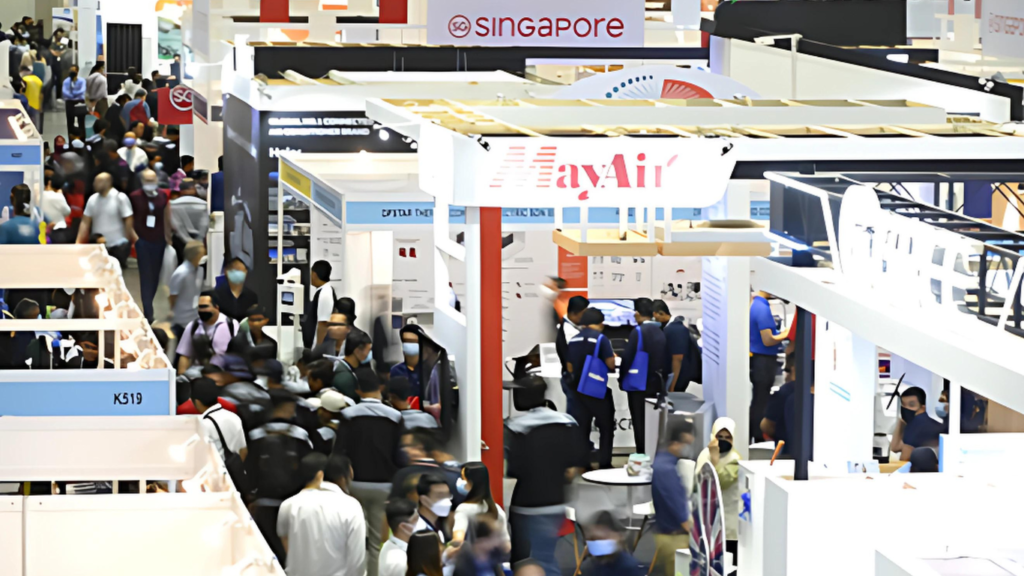
We are thrilled to announce that MayAir will be one of the 400 exhibitors at ENERtec Asia 2024, Southeast Asia’s premier event dedicated to ESG and energy transition. This highly anticipated exhibition will take place from 26th to 28th June 2024 at the prestigious Kuala Lumpur Convention Centre (KLCC), Malaysia. About ENERtec Asia 2024 Formerly known as ASEAN M&E, ENERtec Asia has been rebranded with a renewed and dynamic identity to reflect its expanded focus on three premier segments: TENAGA (Renewable Energy & Cleantech), REVAC (Energy Efficiency & Decarbonisation) and the exciting new segment – BATTERY & EV Tech (Energy Storage & EV Technology and Solutions). This transformation is set to revolutionize the industry by providing sustainable solutions and opportunities to global businesses. ENERtec Asia is the leading platform that brings together industry leaders, innovators, and policymakers to explore sustainable practices, cutting-edge technologies, and collaborative initiatives. The event aims to drive the region’s energy transition towards a low-carbon future by creating opportunities for businesses to showcase their latest products and services, build partnerships, and spearhead the development of a progressive energy landscape. MayAir’s Participation As a pioneer in clean air technology and air filtration systems, MayAir is excited to be part of this transformative event. Our participation underscores our commitment to sustainability and innovation in the energy sector. At our booth, visitors will have the opportunity to learn about our latest advancements in air filtration technology and how they contribute to energy efficiency and environmental protection. Event Highlights Join Us at ENERtec Asia 2024! We invite you to visit our booth (A401) at ENERtec Asia 2024 to discover how MayAir is contributing to a cleaner, greener future. Engage with our team of experts, explore our innovative products, and learn about our commitment to energy transition and sustainability. Event Details: We look forward to seeing you there and exploring the future of energy together! Register here now and see you at the ENERtec Asia 2024! Resource: ENERtec Asia 2024
Mayair Monumental Effort In Coronavirus Pandemic Control & Prevention 2021

From January to February 2020, after the outbreak of the Coronavirus, MayAir’s factory resumed work in an emergency, rushing to the front line of medical assistance, providing about 1 million yuan in related products for Wuhan Huoshenshan Hospital, Leishenshan Hospital, Wuhan Mobile Cabin Hospital and other hospitals and pharmaceutical companies. In July 2021, the Coronavirus outbreak again. As a local company in Nanjing, MayAir has to shoulder the responsibility and use our expertise to make a small contribution to the fight against the pandemic. The company’s external donations during the pandemic During the pandemic on 2020 in Wuhan, the company directly donated Wuhan designated hospitals to effectively solve front-line problems and donation worth nearly 700,000 yuan. The donated professional equipment played a positive role in fighting the pandemic and assisted in the emergency transformation of the original intensive care unit of Wuhan Asia General Hospital It is an isolation ward for the Coronavirus and has been unanimously recognized. On January 27, 2020, MayAir’s first batch of donation – 4 units of Y-Type high-volume air disinfection machines arrived at Wuhan Jinyintan Hospital, a designated treatment site for Coronavirus On January 30, 2020, MayAir’s second batch of donation – 5 units of Y-Type high-volume air disinfection machines and 10 units of Y-600-Type UV composite air disinfection machines arrived at Wuhan Union Hospital, a designated treatment site for Coronavirus On February 23, 2020, MayAir’s third batch of donation – 14 sets of local positive pressure cleaning system EFU arrived at Shanghai Huashan Hospital North Hospital, Shanghai Tongji Hospital, Shanghai Ninth and Tenth People’s Hospital, Shanghai East China Hospital and Shanghai Shuguang Hospital On February 29, 2020, MayAir’s fourth batch of donation — 50 units of Y-1000 air disinfection machine arrived at Wuhan Asia General Hospital, which was urgently requisitioned for Coronavirus On March 4, 2020, MayAir’s fifth batch of donation – 10 units of Y-600 UV composite air disinfection machine arrived at Wuhan Second Hospital of Traditional Chinese Medicine On April 2020, MayAir Malaysia donated 10 units of 401 air purifiers and 1 unit of D-Breath5 air purifiers to Kuala Lumpur General Hospital On April 2020, MayAir Malaysia donated 3 units of D-Breath5 air purifiers to Sungai Buloh Hospital On April 2020, MayAir Malaysia donated 3 units of 401 air purifiers to Kluang Hospital, Johor On May 2020, MayAir Malaysia donated 4 units of MayAir air purifier D-Edge 5 to Tan Tock Seng Hospital During the pandemic on 2021 in Nanjing, the company donated 68 disinfection equipment worth around 700,000 to the Tangshan Branch of Nanjing Second Hospital, Jiangning Hospital, Gulou Hospital, and Brain Hospital, which are designated hospitals for the pandemic, to provide protection for frontline medical staff. On August 3, 2021, MayAir’s first batch of donation – 20 units of Y-600 UV composite air disinfection machines arrived at Nanjing Gulou Hospital On August 3, 2021, MayAir’s second batch of donation – 5 units of Y-600 UV composite air disinfection machines arrived at Nanjing Brain Hospital On August 3, 2021, MayAir’s third batch of donation – 15 units of Y-600 UV composite air disinfection machines arrived at Nanjing Jiangning Hospital On August 3, 2021, MayAir’s fourth batch of donation – 20 units of Y-600 UV composite air disinfection machines, 5 units of Y-Type standard air volume disinfection machines, and 3 Y-Type large air volume air disinfection machines arrived the designated pandemic spot in Nanjing City, Tangshan Branch of the Second Hospital. On August 4, 2021, MayAir Malaysia’s first batch of donation and a DG5 air purification disinfection machine arrived at the University of Malaysia Hospital in Kuala Lumpur, Malaysia, to provide protection for frontliners. On August 7, 2021, MayAir Malaysia donated 3 units of MayAir D-Edge 5 air purifiers to Kluang Material Center, Malaysia Company’s main task during CORONAVIRUS pandemic On February 12, 2020, the company urgently participated in the preparation of the “Guidelines for the Construction of Acute Infectious Disease Treatment Centers”. In addition, based on the company’s outstanding performance during this pandemic, the company has also received the following honors and recognitions. On March 24, 2020, it was selected as the “Key Guarantee Enterprise for Coronavirus Pandemic Prevention and Control in Jiangsu Province” by the Department of Industry and Information Technology of Jiangsu Province. Won the title of “Coronavirus pandemic prevention and control key guarantee enterprise” by the Ministry of Industry and Information Technology of the People’s Republic of China. On July 28, 2021, participate in the ISO/PWI 5371 High efficiency filtration units in exhaust ventilation system of biosafety facilities (“Biosafety Facility Exhaust High Efficiency Filtration Units”) standard compilation China expert working group. On April 2, 2021, MayAir Malaysia was invited to participate in an online seminar organized by the Universiti Tunku Abdul Rahman Malaysia to discuss and share air purification solutions to prevent the spread of the Coronavirus in indoors with experts in the HVAC industry. On April 15, 2021, MayAir Malaysia and ASHRAE Malaysia organized an online seminar to share with the public about the air purification solutions to prevent the spread of the Coronavirus in public areas. On August 19, 2021, MayAir Malaysia was invited to participate in an online seminar hosted by ASHRAE Malaysia. MayAir conducted a discussion on “How to improve the air quality environment during the pandemic”, and how to improve the air quality and cleanliness of public places, combined with MayAir air Purification solutions and technical applications have been shared, air filter standards and applications in medical, public and non-residential environments, and various foreign industries in the post-pandemic era, provide new ideas on how to improve ventilation systems and resume work in a comprehensive and safe manner. Job reference for international sales during this pandemic On July 2020, supplied 3 units of 302 air purifiers to Singapore Novena Otorhinolaryngology Specialist On August 2020, supplied 20 units of MayAir D-Edge 5 air purifier to Carlton City Hotel Singapore On August 2020, supplied 1 unit of MayAir D-Edge 5 air purifier to Imerys Aluminate Laboratory On September 2020, supplied 1 unit of 201 air